
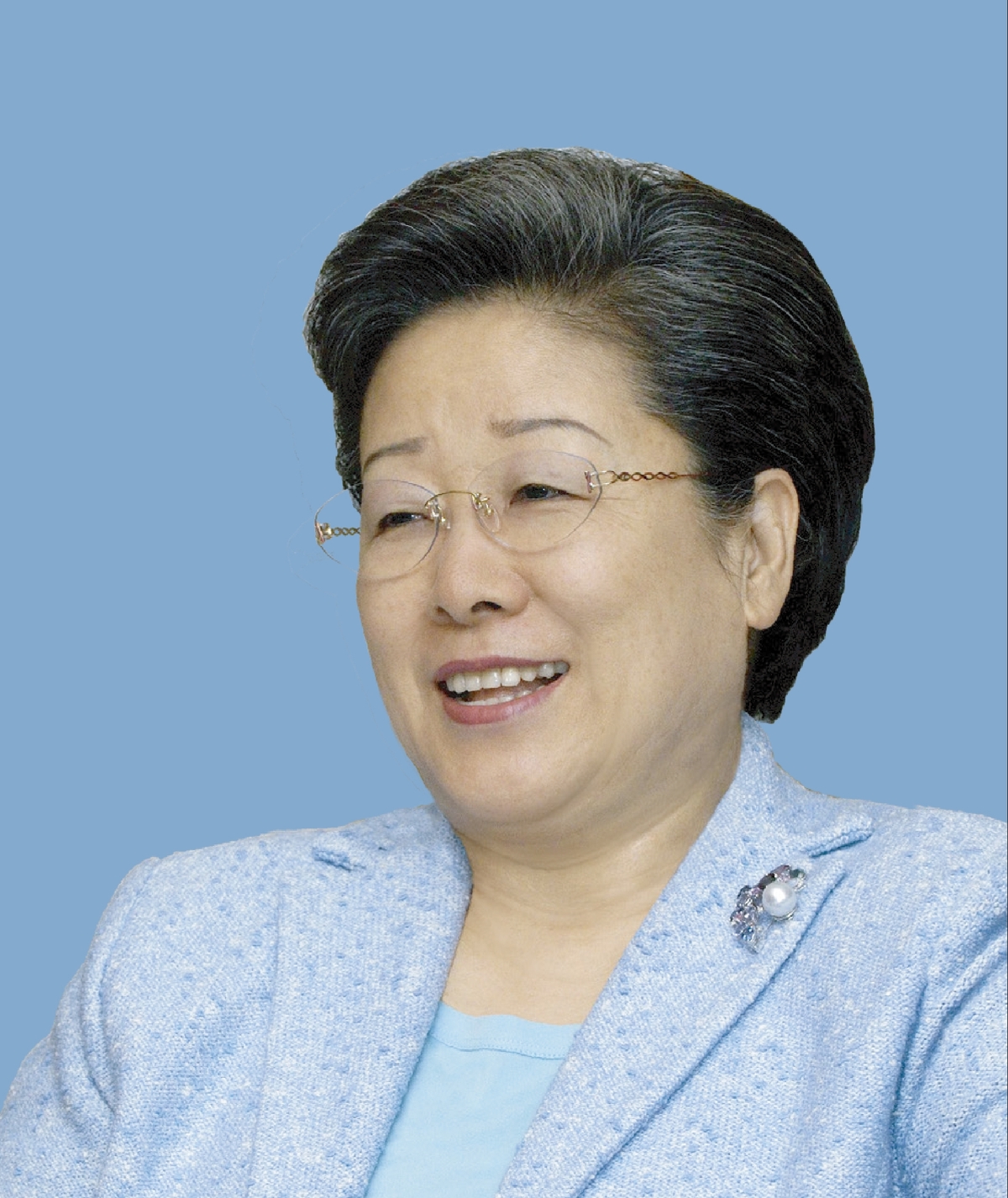
Nobel Peace Prize Nomination Submitted for Dr. Hak Ja Han
Dr. Jan Figel @janfigel, former EU Special Envoy for Freedom of Religion or Belief, has formally nominated Dr. Hak Ja Han of the Family Federation (FFWPU) for the 2026 Nobel Peace Prize.
In his nomination letter, Figel cited the following achievements:
1. Interfaith cooperation: Appointed thousands of Peace Ambassadors worldwide to bridge religious divides
2. Korean Peninsula peace: Organized Rally of Hope summits promoting peaceful reunification
3. Humanitarian recognition: Established the Sunhak Peace Prize, honoring global peace advocates
4. UN engagement: UPF and WFWP hold comprehensive consultative status with the UN Economic and Social Council (ECOSOC)
5. 38th Parallel Peace Initiative: A proposal to build an international peace park in the DMZ, aligned with Nobel’s vision of abolishing armed conflict
6. Cultural diplomacy: Deployed the Little Angels performing arts troupe to carry peace messages worldwide
On Dr. Han’s ongoing detention, Figel stated that many international observers regard it as politically motivated and intended to obstruct her global peace work. He noted that U.S. Vice President J.D. Vance @JDVance raised her case directly with the South Korean Prime Minister during official talks, a sign that her detention has become a matter of urgent international concern.
UPF Co-founder Dr. Hak Ja Han Nominated for Nobel Peace Prize
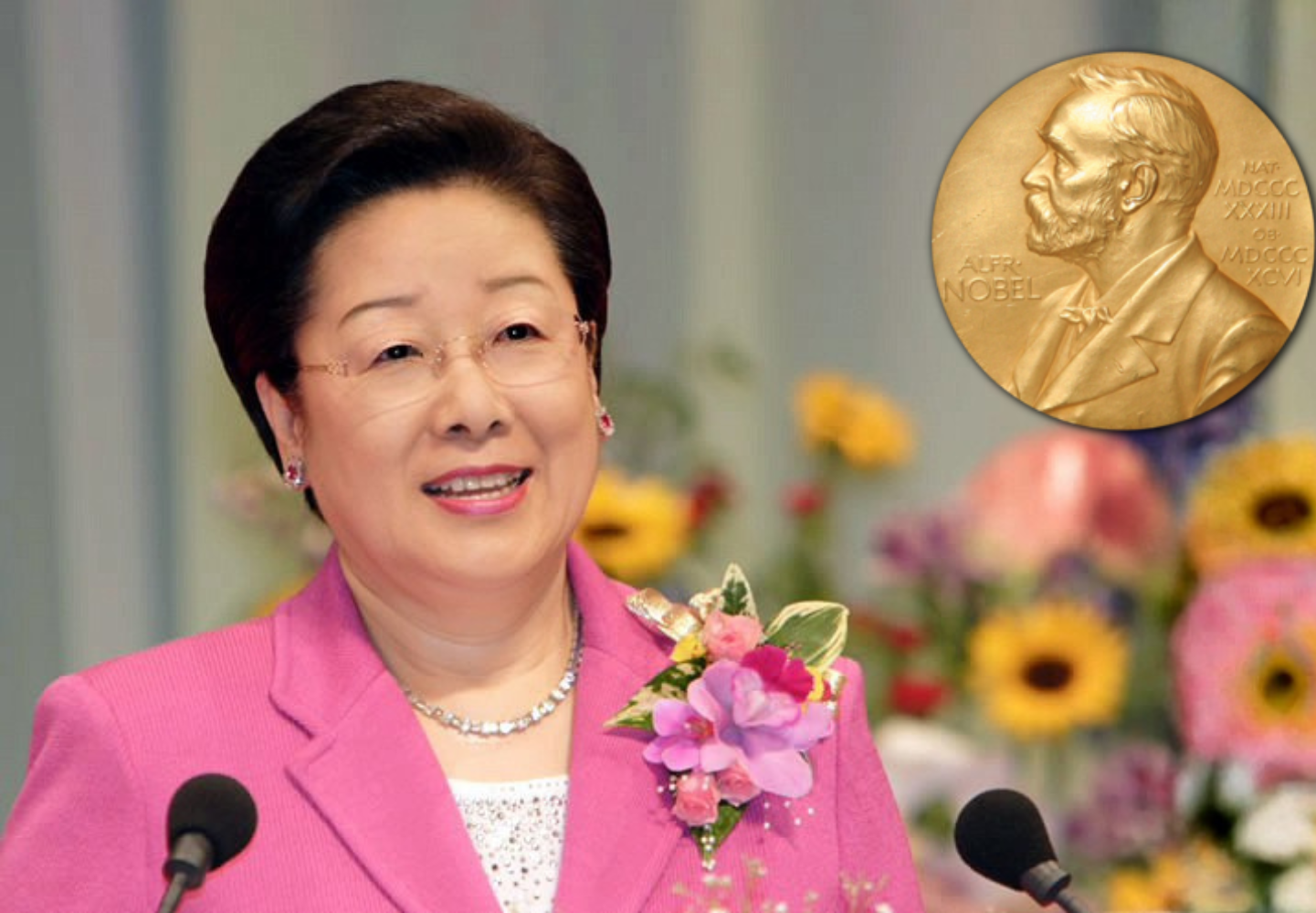
Dr. Hak Ja Han, co-founder of the Universal Peace Federation, has been nominated for the 2026 Nobel Peace Prize in the category of Peace and Fraternity between Nations. The nomination was formally submitted by Dr. Jan Figel, former European Union Special Envoy for Freedom of Religion or Belief and acting president of the Forum for Religious Freedom (FOREF) Europe.
In his nomination, Dr. Figel pointed to Dr. Han’s decades of work in interreligious dialogue, humanitarian cooperation, peacebuilding on the Korean Peninsula, and the protection of family values as a foundation for stable societies. The nomination brings renewed attention to a body of work that has intersected with the priorities of the United Nations and the wider global agenda for peace.
Behind these public achievements stands a life shaped by war, division, and long public responsibility. Born in what is now North Korea, Dr. Hak Ja Han experienced displacement during the Korean War and belongs to the generation marked by conflict and division on the peninsula. These early experiences helped shape her later emphasis on reconciliation, family, and human dignity.
Following her marriage to Rev. Sun Myung Moon, she entered decades of demanding international engagement. She traveled extensively, met leaders and communities across regions, and continued that work after his passing, carrying primary responsibility for a growing network of initiatives. She is also the author of the memoir Mother of Peace, which presents her life and public mission in her own voice.
Decades of Peace Work Alongside Rev. Moon
A central feature of her public work has been the creation of institutions that could outlast individual events. In 1992, she co-founded the Women’s Federation for World Peace, which developed into a global platform for women’s leadership in peacebuilding through education, humanitarian service, support for families and community development. In 2005, she co-founded the Universal Peace Federation as a broader international platform for dialogue among political leaders, religious representatives, scholars, media professionals, and civil society actors.
Throughout several decades, Dr. Han conducted extensive global speaking tours across Asia, Europe, Africa, and the Americas, engaging directly with heads of state, parliamentarians, religious leaders, and civil society representatives. These world tours were not limited to ceremonial appearances, but served as structured efforts to promote dialogue, strengthen cooperation across ideological and cultural boundaries, and advance a consistent message centered on peace, reconciliation and the role of the family in sustaining stable societies.
In 1990, together with her husband Rev. Moon, she visited Moscow and engaged with Soviet leadership during a period of historic transition at the end of the Cold War, opening space for dialogue and new forms of international cooperation. In 1991, the couple traveled to Pyongyang, where they met with North Korean leadership, demonstrating a rare willingness to pursue direct engagement across one of the most entrenched geopolitical divides on the Korean Peninsula.
Her public record also includes symbolic acts of engagement across ideological divides. During her 1993 world tours, she spoke at the Japanese Diet, in the Kremlin in Moscow, in the Great Hall of the People in Beijing, at the United States Capitol in Washington, D.C., and at the United Nations in New York, bringing a message of peace, reconciliation, and family values to some of the most politically symbolic venues of the period.
She has also supported charitable, educational, and humanitarian work aimed at strengthening social cohesion and assisting vulnerable communities. This dimension includes the International Relief Friendship Foundation. It also includes work connected with the Jardim project and the Leda initiative in South America, which focused on community development, food security, sustainable agriculture, and cooperative living in the Pantanal region.
Efforts toward peace on the Korean Peninsula have also been highlighted in the nomination. Dr. Han has helped initiate, convene, and organize major summits as part of a long-term strategy of international cooperation. The Rally of Hope series created channels for dialogue involving current and former heads of state, experts, and civil society actors. The establishment of the Sunhak Peace Prize extended this work by recognizing individuals and organizations contributing to sustainable development, environmental protection, women’s empowerment, and conflict resolution. Another part of this vision has been the proposal to develop an international Peace Park in the Korean Demilitarized Zone. That proposal is linked with the Peace Road and International Peace Highway, including the Korea-Japan tunnel and the Bering Strait project linking Asia and North America.
Cultural diplomacy has also been an important part of her work. She was a co-founder of the Little Angels Children’s Folk Ballet of Korea and of Universal Ballet, supporting artistic institutions that have carried messages of peace, beauty, discipline, and mutual respect across national and ideological boundaries. In 1998, the Little Angels visited Pyongyang and performed with a North Korean children’s troupe in a cultural exchange remembered as a peace mission carried through art. These episodes contributed to her public image as a figure willing to engage across political, ideological, and historical divides through dialogue, cultural diplomacy, and continued communication.
Assuming the Mantle Alone
Since 2012, following the passing of her husband, Rev. Sun Myung Moon, Dr. Hak Ja Han has exercised primary leadership over these global initiatives. This period has been marked by the consolidation and expansion of international programs, the continued organization of global summits, the development of Peace Road into a recurring global project, and the strengthening of partnerships with institutions aligned with United Nations frameworks. Her leadership during this phase has required navigating institutional continuity, external scrutiny, and complex geopolitical contexts while maintaining the strategic direction of the movement.
On July 15, 2017, she addressed the “Peace Starts with Me” rally at Madison Square Garden in New York, bringing together thousands of participants and emphasizing personal responsibility, family values, and interfaith cooperation as foundations for lasting peace.
She has also served as organizer, patron, and leading figure of major UPF summits in different regions. In Dakar, Senegal in 2018, she delivered the keynote address at the first Africa Summit, held in cooperation with the government of Senegal under President Macky Sall. In Kathmandu, Nepal, she led the first UPF Asia Pacific Summit, which brought together current and former heads of state, parliamentarians, religious leaders, and civil society representatives to address peace, development, and international cooperation in the region. In São Paulo, Brazil, she gave the founder’s keynote address at the Latin America Summit.
In Johannesburg, South Africa in 2019, she addressed the Africa Summit and participated in events attended by political, religious, and traditional leaders. In Tirana, Albania, she convened and led the Southeast Europe Peace Summit, bringing together political leaders, religious representatives, and civil society figures to advance dialogue, reconciliation, and regional cooperation in Southeast Europe. In Cambodia, Prime Minister Hun Sen received her ahead of the Asia Pacific Summit.
In Seoul in 2020, she led World Summit 2020. The same pattern continued in World Summit 2022, co-chaired with Prime Minister Hun Sen and former UN Secretary-General Ban Ki-moon, and in Peace Summit 2023.
These developments are rooted in a broader vision advanced by Dr. Han, who emphasized the role of the family as a cornerstone of peace and the idea of humanity as one family under God. The intensity of her schedule, the demands of international leadership, and the expectation of continuity across decades help explain why her nomination also carries a personal dimension of perseverance.
The nomination also highlights the importance of partnerships across sectors. Her work has relied on cooperation across institutions, including legislative and executive leadership, through platforms such as the International Association of Parliamentarians for Peace and the International Association of First Ladies for Peace. At the same time, her current situation has drawn attention among observers in the international community. Reports indicate that Dr. Han has been under detention for an extended period, a development that has raised concern in light of her ongoing public role and international engagement.
While a nomination does not determine the outcome of the Nobel Peace Prize process, it serves as a point of reflection on the kinds of contributions that continue to shape contemporary approaches to peace. It also underscores the continued relevance of multilateral engagement, ethical leadership, and durable institutions in addressing complex global challenges.
Dr. Tageldin Hamad, President, UPF-International March 30, 2026
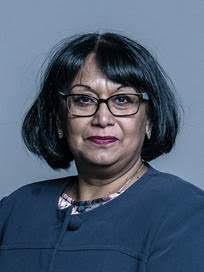
Sandip K. Verma, Baroness Verma (born
30 June 1959) known until 1977
as Sandip K. Rana, is a British
Indian politician in the United Kingdom.
An appointed member of the House of
Lords, she is Ministerial Champion for
Tackling Violence Against Women and
Girls Overseas, a role who chairs the UN
Women’s national committee. Verma was
the Parliamentary Under-Secretary of
State for International Development,
from 2015 to 2016.
Translated from the Japanese article
Baroness Verma (Conservative Party), a member of the UK House of Lords, expressed “deep concern” on October 6, 2023 over the Japanese government’s consideration of filing a dissolution order request against the Family Federation for World Peace and Unification (the Unification Church). Verma cited the fact that the British government itself had attempted to strip the organization of its legal status approximately 40 years ago, only to face substantial legal liability as a result, and called on the Japanese government not to repeat the same mistake, noting that “the two cases appear to share troubling similarities.” Regarding the UK’s own attempt to revoke the Unification Church’s legal status, Verma stated that the move “was based on a large volume of false and misleading testimony submitted by organized opponents of the church,” and pointed out that “after years of litigation, the British government was forced to drop its case and pay the equivalent of £4.75 million in today’s value” (approximately 860 million yen). She also noted that the Attorney General at the time acknowledged there had been “no case to answer whatsoever.”
Source: https://www.worldtimes.co.jp/